Gasoline, Dual-Fuel or Tri-Fuel?
Compare storage, refueling and the output available on each fuel.
Gasoline: the familiar choice
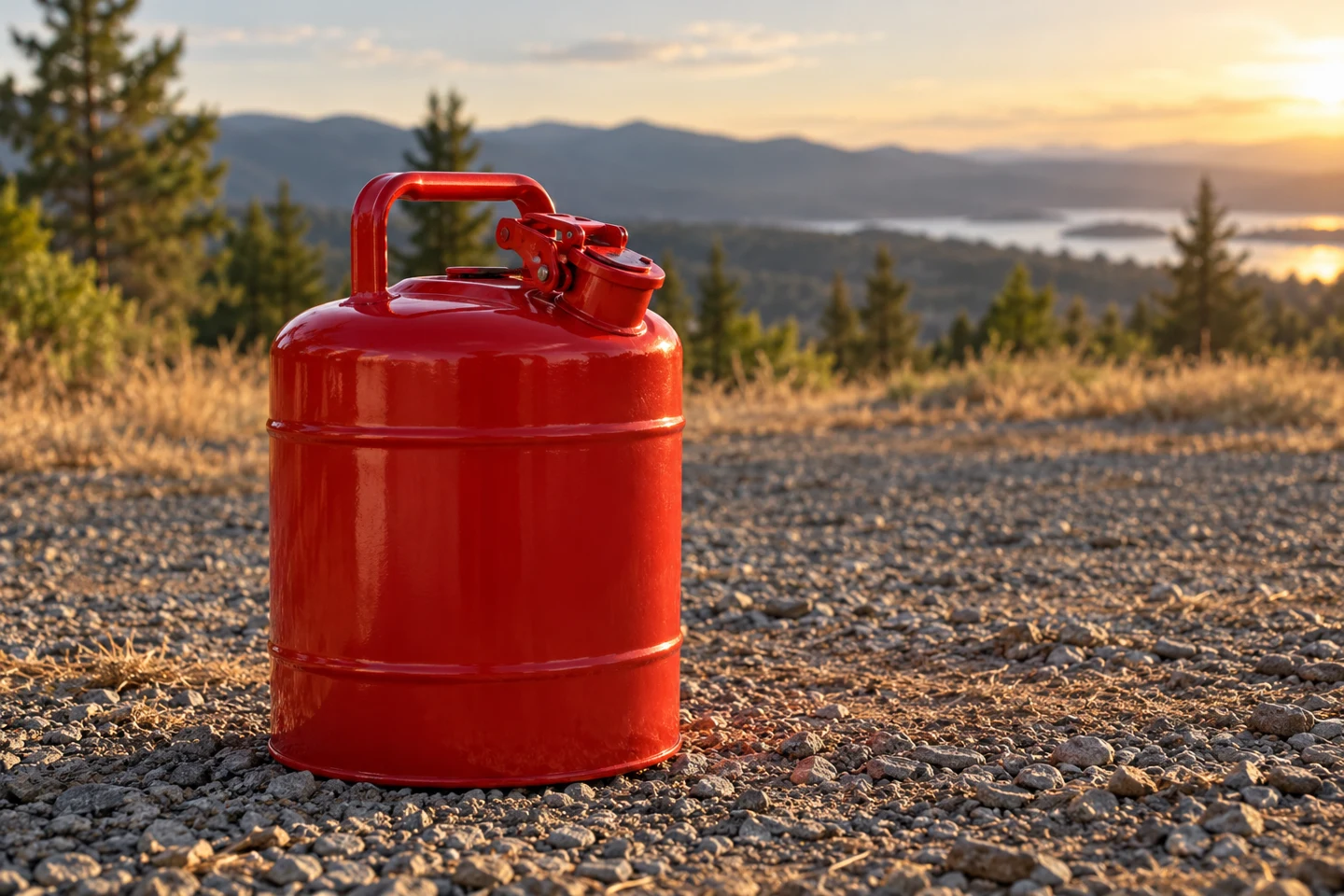
A gasoline generator uses the same type of fuel you buy at a gas station. You will need approved containers and a plan to refill them if stations lose power. Gasoline gets old in storage. Follow your engine manual for fresh fuel, storage, and fuel stabilizer.
Dual fuel: gasoline or propane
Dual fuel means the generator can run on gasoline or propane. Propane gives you a second option if gas is hard to get, but most generators make less power on it. You still need oil changes and other engine care. Follow the manual for the right cylinder, hose, and regulator. A small propane cylinder may struggle to supply a large generator in cold weather.
Tri fuel: gasoline, propane, or natural gas
Tri fuel adds a third choice: natural gas from a suitable gas line. This can save trips to refill containers, but the gas supply can fail during an emergency. A qualified installer must check that the line and meter can supply the generator and your other gas appliances. Do not assume an existing grill connection is suitable.
Choose the fuel you can keep available
Compare how much power the generator makes on each fuel. Think about storage, refill trips, installation cost, and whether you can move full containers. A bigger fuel tank can mean more hours between refills without being more fuel efficient. Plan time to shut down, cool the engine, refuel, and change the oil as required.