Start with the appliances you need most. Powering a refrigerator, a few lights, and phone chargers is usually easier than powering everything in your home. Think about where you will use it and how you will refill the tank or recharge the battery.
G
Gasoline generators
Refill the tank to keep power available.
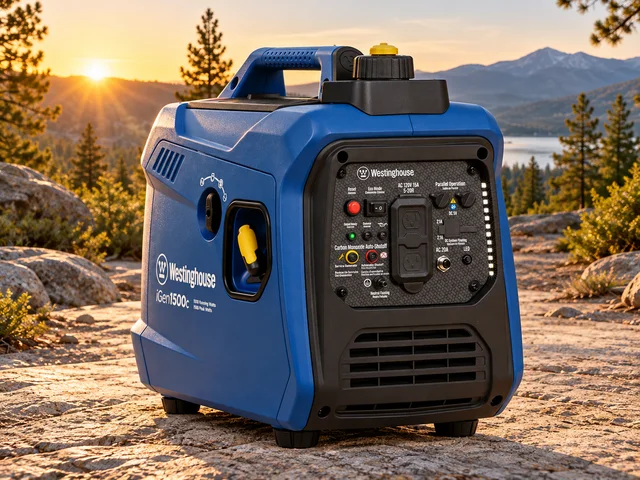
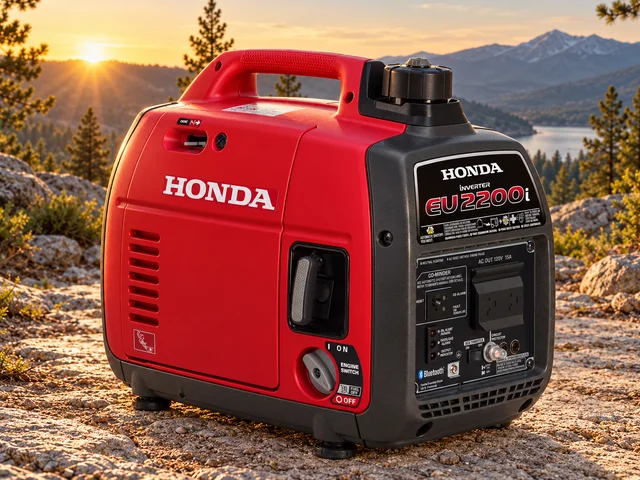
These run on gasoline. They can be useful during a long outage if you can get fuel and stop for cooling, refilling, and oil changes. You need a safe outdoor place at least 20 feet from homes and openings. Check running watts, which tell you what it can keep powering, and starting watts, which cover a short burst when an appliance turns on.
Dual fuel means you can use gasoline or propane. Most models make less power on propane, so check that rating if you plan to use it. Keep propane cylinders outdoors and use the hose, regulator, and cylinder size required by the manual. A small cylinder may struggle to supply a large generator in cold weather.
Tri fuel adds natural gas as a third option. A properly installed gas line can save trips to refill fuel containers. A qualified installer must check that your supply can feed the generator and your other gas appliances. Natural-gas power is usually lower than gasoline power, and gas service can fail during an outage too.
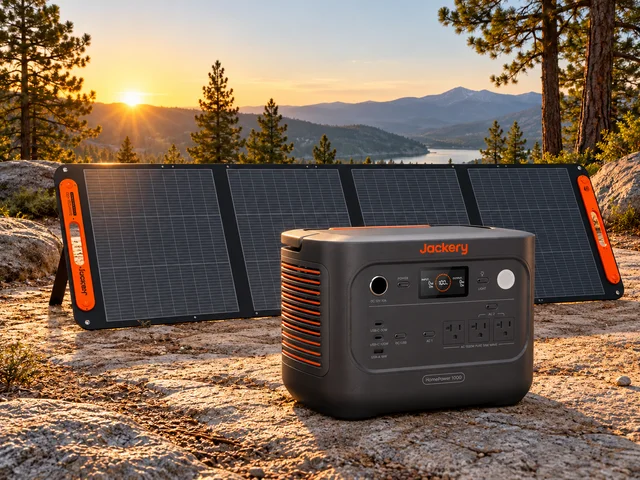
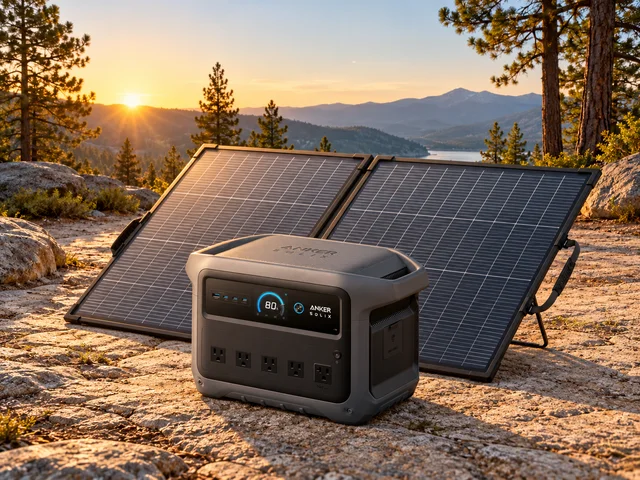
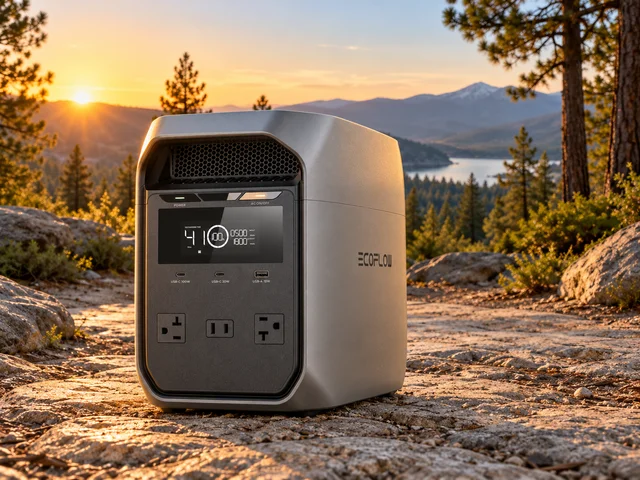
Charge the battery before an outage, then plug in suitable devices. You can recharge some models with solar panels, but panels may be sold separately. Watts (W) tell you how much it can power at once. Watt-hours (Wh) describe battery size and help estimate how long it lasts. Keep the station dry and follow the manual for airflow and temperature.
An inverter generator uses electronics to control the power it supplies. Many can slow the engine when you use less power. A conventional generator usually runs at a more constant engine speed. Compare the specific model’s power, noise, and weight. Check your electronics’ power requirements too. Our inverter guide explains the differences.
Choose the connection before counting on the power.
Fuel generators must operate outdoors at least 20 feet from homes and openings, with exhaust directed away. A carbon monoxide shutoff does not make a garage safe. To power house wiring, have an electrician install the right transfer equipment. It safely separates your backup power from utility power. Never connect a generator or power station to a household wall outlet. Read our generator safety guidance before building a setup.
Start with your appliances
What do you want to keep running?
Add the things you want to use during an outage. The numbers shown are examples; replace them with the watts listed on your appliance label or in its manual. Leave starting watts blank if you do not know them.
More settings: starting appliances and battery estimates
You can leave these example settings as they are to start. We allow 25% extra power, assume 85% of battery power reaches the appliances, keep 20% of the charge in reserve, and allow 10 watts for the station itself. Actual models vary. Refrigerators and pumps can turn on automatically. Choose separate starts only if you can reliably stop them from turning on together, including later restarts.
Power while everything is running65 W
The total for all the items in your list while they are on.
Power needed when appliances turn on65 W
Allows for the listed appliances turning on together.
Charge your appliances would use520 Wh
Watt-hours (Wh) add up the power used over time.
Estimated battery needed865 Wh
Allows for the station’s own power use, power lost during use, and spare charge.
Compare at least 82 running watts and 82 starting watts with your settings and 25% extra power.
Models to compare
Options that meet your entered numbers.
These models meet the numbers you entered using the fuel you selected. Battery models must also have enough stored charge for your plan. We list the smallest models that meet those estimates first. Before buying, check appliance starting needs, the available outlets, and the matching manuals. Ask an electrician about larger equipment or house wiring.
Fuel generators using gasoline
1,000W running / 1,500W starting on gasoline. You will need fuel and time to stop for refilling, cooling, and maintenance.
1,024Wh battery; about 9.5 hours with your estimated use. This assumes no recharging. Check that it can also supply enough power when appliances turn on.
1,024Wh battery; about 9.5 hours with your estimated use. This assumes no recharging. Check that it can also supply enough power when appliances turn on.
1,024Wh battery; about 9.5 hours with your estimated use. This assumes no recharging. Check that it can also supply enough power when appliances turn on.
We add the running watts for every appliance, including the quantity you entered. For starting power, we either allow all appliances to turn on together or one to start while the others are already running. An appliance is counted only once in each total. Missing starting numbers can make the result too low.
For battery size, we multiply each appliance’s watts by how long it runs. We then allow for power lost during use, the station’s own power use, and spare charge. A brief task such as using a microwave still needs enough power at that moment. We do not assume solar or wall charging, and this tool does not estimate gasoline use.
Use the appliance’s electrical input watts, not a microwave’s cooking watts or a charger’s advertised output. The calculator cannot check every detail of a motor, cord, outlet, or home connection. Ask an electrician about hardwired pumps, central air conditioning, larger motors, and house wiring. Arrange medical backup with the equipment supplier.
Your load list stays in this browser tab and is not submitted or stored. Existing optional site analytics can record the page visit and Amazon outbound clicks only after consent.
Make the estimate match the actual equipment.
The example appliance numbers may differ from yours. Look for electrical input watts on the appliance label or in its manual. For a microwave, use the watts it draws from the outlet, rather than the cooking-watts number on the front. Refrigerators and pumps also need extra power for a moment when they turn on. Ask the appliance maker if that number is missing.
Have an electrician check larger pumps, central air conditioning, or a connection to your house. For medical equipment someone depends on, make a backup plan with its supplier.