A Practical Home Power Outage Plan
Make a calm, usable plan for the first hour and the days after.
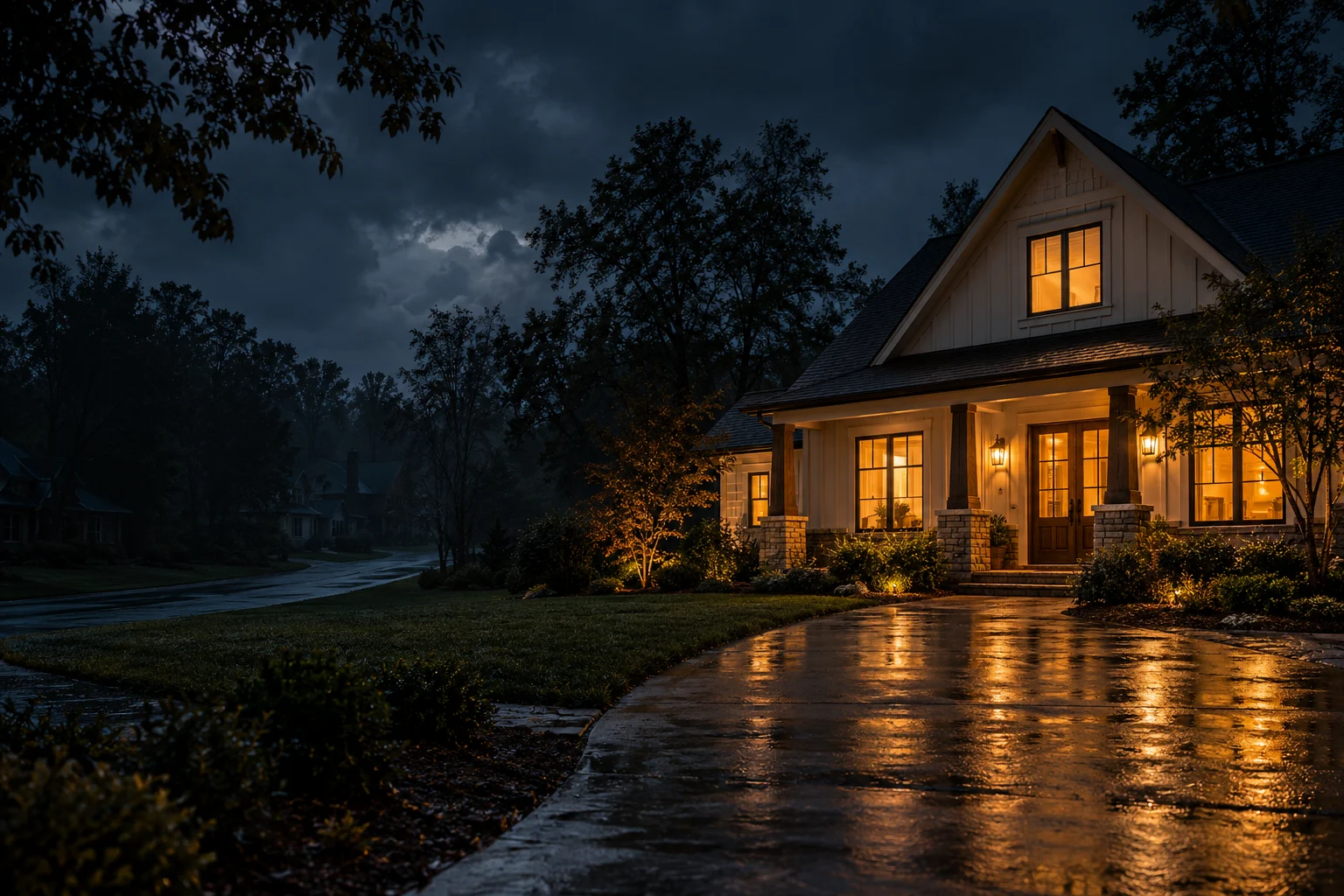
Get a few basics ready
Charge phones and battery packs. Check flashlights and carbon monoxide alarms. Keep drinking water, food that does not need refrigeration, prescriptions, and emergency contacts handy. Sign up for local weather and emergency alerts.
Decide what really needs power
List the appliances you need most, such as a refrigerator, sump pump, or phone charger. Large heaters, cooking appliances, and central air conditioning may need more power than your generator can provide. If someone needs powered medical equipment, arrange a backup plan with its supplier before an outage.
Pick a safe place outdoors
Use a fuel generator outdoors at least 20 feet from homes, doors, windows, and vents. Point the exhaust away from people and buildings, including your neighbors. Never run it in a garage, shed, basement, tent, or partly enclosed area. Opening a door does not make it safe. Follow the manual for rain protection without trapping heat or exhaust.
Plan how appliances will connect
For house wiring, have an electrician install the correct transfer equipment. This is the equipment that safely separates your generator from the utility supply. For suitable plug-in appliances, use the outdoor grounded cords allowed by both manuals. Keep plugs dry. Many portable heaters prohibit extension cords, even heavy ones.
Keep checking during a long outage
Track fuel and running hours. Plan cooling and oil-change breaks. Keep refrigerator doors closed and follow official food-safety advice. If a carbon monoxide alarm sounds, or someone feels dizzy, sick, or has a headache, get everyone to fresh air and call emergency services. After power returns, service the generator and replace used supplies.